• Contact
  • About
  • ISSN 3049-9771
  • Authors and editors
NEWSLETTER SIGN UP
East Anglia Bylines
Advertisement
  • HOME
  • News
    • Brexit
    • Health
    • Education
    • World
  • Politics
    • Local government
    • Justice
    • Activism
  • Climate
    • Environment
  • Lifestyle
    • Community
    • Culture
    • History
    • Humour
    • Property
  • Business
    • Development
    • Economics
    • Finance
    • Transport
    • Farming
  • ANGLIA
    • Bedfordshire
    • Cambridgeshire
    • Essex
    • Hertfordshire
    • Norfolk
    • Suffolk
  • Series
No Result
View All Result
East Anglia Bylines
Home Business Economics

The Liberal budget that sparked a constitutional showdown

How the 1909 "People’s Budget" stirred a constitutional crisis, reshaped wealth distribution, and changed British law

East Anglia Bylines by East Anglia Bylines
30 October 2024
in Economics, Politics
Reading Time: 5 mins read
A A
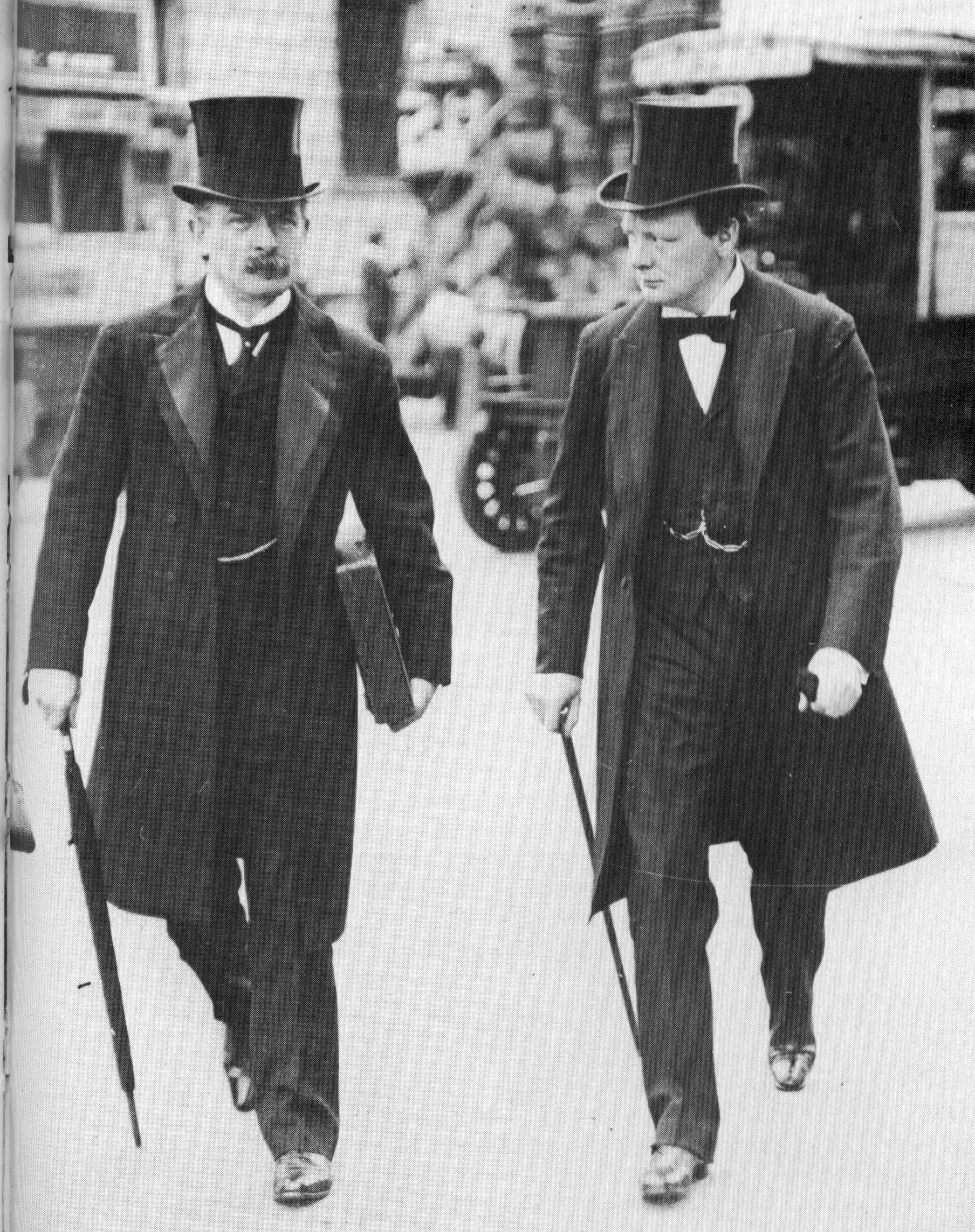
David Lloyd George and Winston Churchill in 1907.

David Lloyd George and Winston Churchill in 1907. Image by Unknown author via Wikimedia Commons (CC0)

Share on Bluesky

By Sebastian Salek

There was once a Budget so radical we’re still feeling the aftershocks today.

Partly masterminded by a young Winston Churchill, it triggered two dramatic general elections and changed the way laws are made for ever. Here’s the story of the 1909 ‘People’s Budget’.

This was the first Budget in history that aimed to redistribute wealth among the British people. Chancellor Lloyd George called it a “war Budget” for “raising money to wage implacable warfare against poverty and squalidness.”

The policies were seriously eye-catching: 

  • Tax hikes for the super-rich
  • Tax cuts for poorer people
  • Big increases in inheritance tax

But there was a bigger surprise that Lloyd George cooked up with Churchill, then a Liberal and president of the Board of Trade… 

Land taxes.

The Budget included complete land valuation and a 20% capital gains tax. The problem was this targeted exactly the people Lloyd George needed to pass the bill:

Leaflet from 1909 put out by the Liberals, saying "Why do the Lords refuse to pass the Budget?"

Wealthy, landowning members of the House of Lords.

The Conservatives suggested introducing import taxes instead, which they argued would benefit British business – but would actually mean higher food prices.

(Sound familiar?)

Then the right-wing press piled in.

Cartoon of a dancing duke, holding bags of cash. "Tariff reform means happier dukes"

The Times and the Daily Mail (both owned by Viscount Northcliffe, whose family still owns The Mail today) came out against the Budget. (Right-wing press defending the interests of the rich? Well I never.)

Now the Lords know they shouldn’t veto things. It’s not right for an unelected upper chamber to block the decisions of elected MPs. But this time they made an exception. 

Despite the King privately intervening, peers broke a centuries-long convention and blocked the Budget.(Hello constitutional crisis.) This hadn’t happened in two centuries, but it would end up backfiring big time. 

The Lords said they would pass the bill when the government could show it had the support of the people. There was only one thing to do. The PM called a snap election and the stage was set for a tremendous showdown.

Then the funniest thing possible happened. 

It was a hung Parliament. The Liberals needed the support of Labour and the Irish Parliamentary Party (IPP) to stay in power. But the IPP’s support came at a price.

It wanted the Lords to lose their veto power so they couldn’t block Irish Home Rule. The IPP threatened to vote down the Budget until this happened.

OK, big move. The PM needed another mandate. (Cue second general election in one year.) And let me tell you, the outcome was even funnier. 

Chart showing results of the 1909 general election and a hung parliament

The spread of seats was almost exactly the same as the first election. But the government got its mandate.

(Back in your box, peers.)

In the end, the Lords reluctantly voted to tie their own hands. The Parliament Act 1911 stopped them from permanently blocking money-related laws ever again. They knew the alternative was much worse… 

The Prime Minister would just have flooded the Lords with Liberal peers who would have passed the Act.

And that’s the story of how a few rich peers kicking off over some taxes means that, even today, the Lords can’t block legislation. 

This article was first published on X. If you’re interested in this kind of thing, Sebastian’s newsletter explains the laws MPs are voting on each week and is called Clear the Lobby. You can sign up for it here.


More from East Anglia Bylines

Infographics from Easyfundraising

We are registered with easyfundraising! 8,000 brands will donate to us for free every time you use it.

It’s super quick and easy to SIGN UP, and will never cost you anything whatsoever. It’s FREE for you and HUGE for us!

Previous Post

To save Honey Hill: a woman of protest and song

Next Post

The ‘budget for change’: our leading Norfolk SME’s share their voices 

East Anglia Bylines

East Anglia Bylines

East Anglia Bylines is a not-for-profit regional online newspaper that supports citizen journalism. Our aim is to publish well-written, fact-based articles and opinion pieces by the public on subjects that are of interest to people in East Anglia and beyond. In doing so, we seek to demonstrate democracy in action by giving a voice to local people and holding our elected representatives to account. If you'd like to write something for us, please email us: editor@eastangliabylines.co.uk

Related Posts

Four slightly tilted panels showing the headquarters of Essex, Cambridgeshire, Norfolk and Suffolk county councils, each identified by its council logo, against a textured grey background.
Anglia

East Anglia’s council shake-up is back on – but a year later

by East Anglia Bylines
4 November 2026
Air source heat pump: photo Stephen McNair
Economics

The great heat pump paradox: more heat, less progress

by Stephen McNair
1 November 2026
Around 20 demonstrators outside Princess of Wales Hospital, Ely. Their banner reads 'No Palantir in the NHS'.
Activism

⁠Palantir under fire: the battle over its NHS role

by Aidan Baker
26 October 2026
Climate demonstration. Poster reads 'there is no planet b
Climate

Are we being told enough about the ecological collapse?

by Cllr Gary Champion
25 October 2026
Woman holding an EU flag beside a large yellow bus emblazoned ‘Bollocks to Brexit – It’s not a done deal!’
Brexit

Another referendum on the EU? You must be joking

by Peter Thurlow
16 October 2026
Next Post
Rachel Reeves in parliament

The 'budget for change': our leading Norfolk SME's share their voices 

SUPPORT OUR CROWDFUNDER

Tags

Activism Brexit Cartoons Christmas Climate Community Conservation Conservatives Democracy Economy Elections Environment EU Farming General Election 2024 Government Health History Housing Labour Letters Local government Net zero NHS Norwich Opinion Our place in Europe Party politics Pecksniff Politics Polling Pollution Poverty Reform UK Renewables Sewage Social care Something for the weekend Tax Trump Ukraine Voting Wealth Wildlife Women
East Anglia Bylines

We are a not-for-profit citizen journalism publication. Our aim is to publish well-written, fact-based articles and opinion pieces on subjects that are of interest to people in East Anglia and beyond.

East Anglia Bylines is a trading brand of Bylines Networks Limited which is separate to, but allied with, Byline Times.

Learn more about us

No Result
View All Result
  • About
  • Authors and editors
  • Complaints
  • Contact
  • Donate
  • Letters
  • Privacy
  • Network Map
  • Network RSS Feeds
  • Submission Guidelines
  • Download the Bylines Network App

© 2021-2026 East Anglia Bylines. Powerful Citizen Journalism. ISSN 3049-9771

No Result
View All Result
  • HOME
  • News
    • Brexit
    • Health
    • Education
    • World
  • Politics
    • Local government
    • Justice
    • Activism
  • Climate
    • Environment
  • Lifestyle
    • Community
    • Culture
    • History
    • Humour
    • Property
  • Business
    • Development
    • Economics
    • Finance
    • Transport
    • Farming
  • ANGLIA
    • Bedfordshire
    • Cambridgeshire
    • Essex
    • Hertfordshire
    • Norfolk
    • Suffolk
  • Series

Newsletter sign up

Crowdfunder

© 2021-2026 East Anglia Bylines. Powerful Citizen Journalism. ISSN 3049-9771