We all think we’re familiar with what a limited liability company is. It’s just an organisation, set up by one or more people, and it has “Ltd” after its name, which stands for limited company. That means that the shareholders do not have to pay the debts of the company if that company goes bust owing you money. Those shareholders are the people who set the company up. They bought shares in it and have the right to manage it by appointing its directors.
Larger limited companies are called PLCs, or public limited companies, and we’re very familiar with them. Most of the things you buy on the High Street will be sold to you by a PLC. Most certainly, your shopping, in the sense of your food and everything else, will be, and your banks are PLCs as well.
Moral hazard
So why are those companies a threat to your well-being? Well, they create the risk of something called moral hazard. Moral hazard is the behaviour of a person who undertakes an activity knowing that they won’t have to bear all the consequences of their actions.
Sometimes moral hazard is created by things like insurance. In other words, we’ll be a bit reckless because we think, well, we’ve insured against the loss of this particular thing happening. Bashing the car, maybe. Or losing something – so we’re risky with regard to where we leave it.
But moral hazard can also be created by limited companies, because if the shareholders of a company know that they do not have to pay its creditors if the company goes bust, they may take more risks than is appropriate.
They can be reckless because they are not responsible for the money that they are managing, which fundamentally is other people’s money.
Magic money

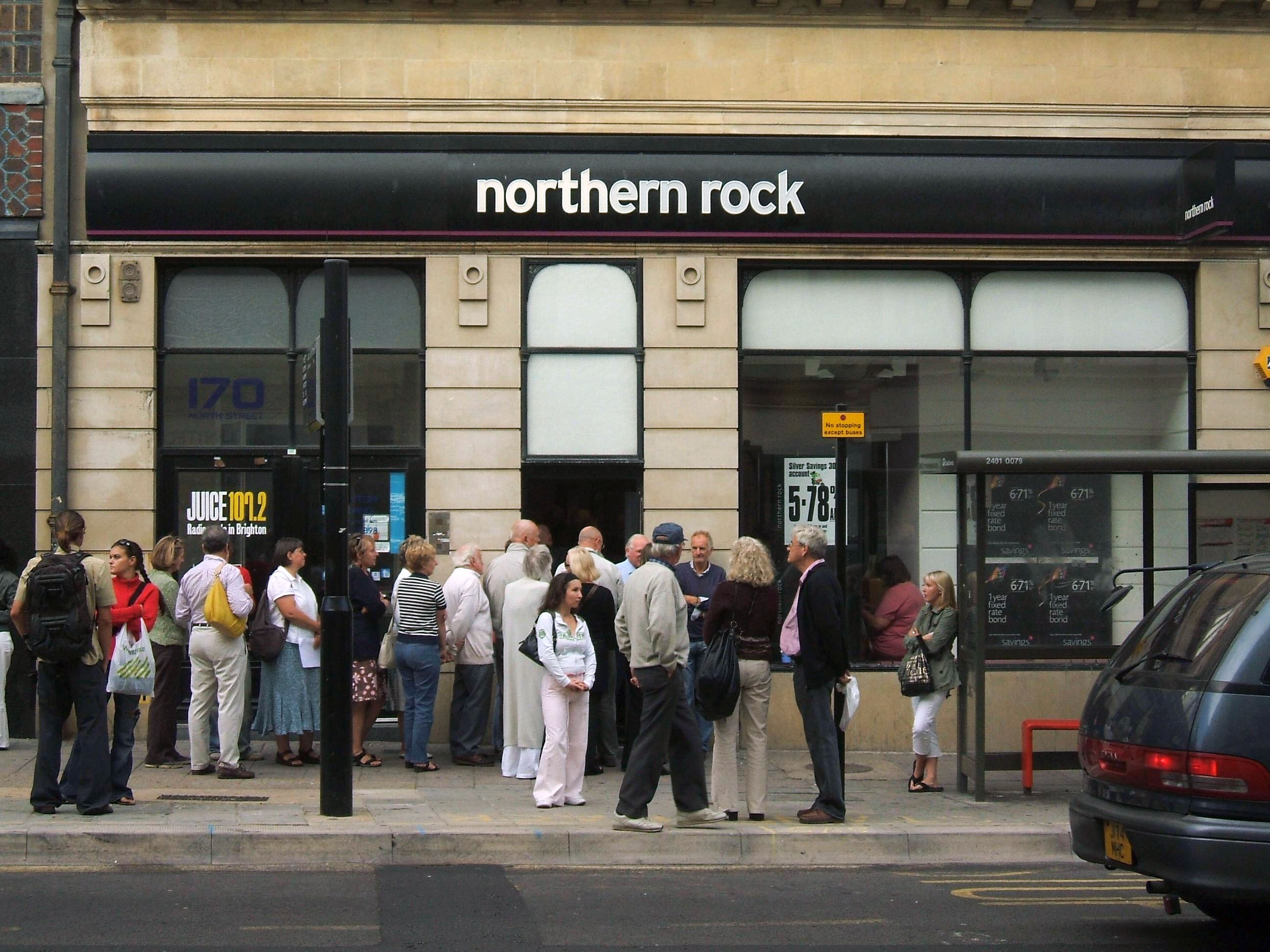
Let me give you an example. In 2007, the Northern Rock Building Society – by then actually a bank – went bust because its directors had been irresponsible. There’s no way around that observation. They had lent people who had applied for mortgages 125% of the value of the properties against which they were lending for the purposes of security. In other words, if you wanted to buy a house which was going to cost £200,000, the Northern Rock Building Society offered you £250,000 in mortgage. It was reckless because they were using other people’s money. And that building society ran out of road. It could not pay its creditors. Savers panicked when they found the doors locked, and that they could not get their money out. The government had to bail it out.
That was an example of moral hazard. It created the first run on a bank in the UK in 160 years. But it happens day in day out among smaller – and sometimes even larger – companies. Carillion was a very large trading company, a builder, which went bust because it basically was reckless with its creditor’s money.
Take the money and run
Smaller companies do this. We know that there are fly-by-night companies who are set up, never have any intention of really paying people, trade for a little while, the owners take the cash and then run, and the money which is owing to the suppliers disappears. This is moral hazard and that’s why we need to regulate companies well in this country.
But we don’t regulate companies well. It costs just £12 to set up a company online. We don’t require proof of identities. We don’t require that they file their accounts if they disappear fairly quickly. We don’t know anything about them. And all of that is an environment that creates risk.
We should regulate better
I don’t know why we put up with that. Limited companies should be much better regulated than they are because otherwise they impose a cost on you, me and everyone else in the country, because some people, let’s be blunt, can’t be trusted. We give them the opportunity to exploit somebody else.
They take the risks, they leave somebody else to bear the consequences, and that is unacceptable.