As I drove back home from my girlfriend’s, I paid particular attention to the houses I passed. She is resident in what is currently the most newsworthy constituency in the UK – Clacton – so I was wondering how busy the campaigners for Reform had been, and what their support base looked like.
Then – it struck me. I couldn’t see a single election poster, of any hue, in any window that I passed, and so it continued my drive into Ipswich; I was passing literally thousands of dwellings, all devoid of any indication of the election taking place in four weeks’ time. Farmland alike was barren of political displays, a notable contrast to the same period, eight years ago now, in the run-up to the Referendum.
Trust in politicians at an all-time low
Last week’s debate between Sunak and Starmer was watched by less than 5 million people; around half of the audience who saw the first TV debate which took place in 2010. Amongst my own circle of friends and family, who encompass a range of political views, the overall attitude is one of malaise and apathy. Possibly this is due to the seeming inevitability of the result, more likely due though to the antipathy the electorate feel towards those that aspire to lead them. Politicians are now the less-trusted professionals in the UK; overall just 9% of us trust in their veracity, with a shocking 2% of 25-34 year olds believing in them.
To a certain extent, this is not wholly a British issue. A survey by the European Foundation for the improvement of living and working conditions found that there was a marked decline in trust for institutions recorded between the start and the end of the pandemic, and that the trust ratings for government had declined most severely during this period. There are multiple possible reasons for this erosion: social media and the economic downturn being the chief culprits. However this decline being so apparent during the pandemic is not, perhaps, coincidental.
Pandemic politics: a catalyst for distrust
During the Covid crisis, populations across the globe were almost without exception faced with restrictions on movement and activity which – in democratic countries – had not been experienced in our lifetimes. Our current Prime Minister was fined for attending an illegal gathering, but this apparent flaunting of the rules by the political elite was not restricted to the UK alone. In France, Austria, Germany, Romania, Poland and Spain politicians broke their own rules, only apologising after detection.
“Do as I say, not what I do” is not a mantra acceptable to the electorate.
Last week, Europe went to the polls, and the rise of the “hard right” parties across Europe is a justified cause for concern. Later this year America could well make history in electing a President with a criminal record. Trump’s previous campaign was based on the rhetoric of “draining the swamp” – his description of the Washington elite – which obviously resonated then, and is likely to now, with the US electorate.
The history of the last century in Western politics is littered with examples – warnings – of the consequences of mistrust between the people and those who would lead them. Even if the iniquities of the “first past the post” voting system in the UK – which I’ve written about previously – mean that it’s unlikely that Farage and his ilk will gain any significant power, the overall rise to the far-right should cause us alarm.
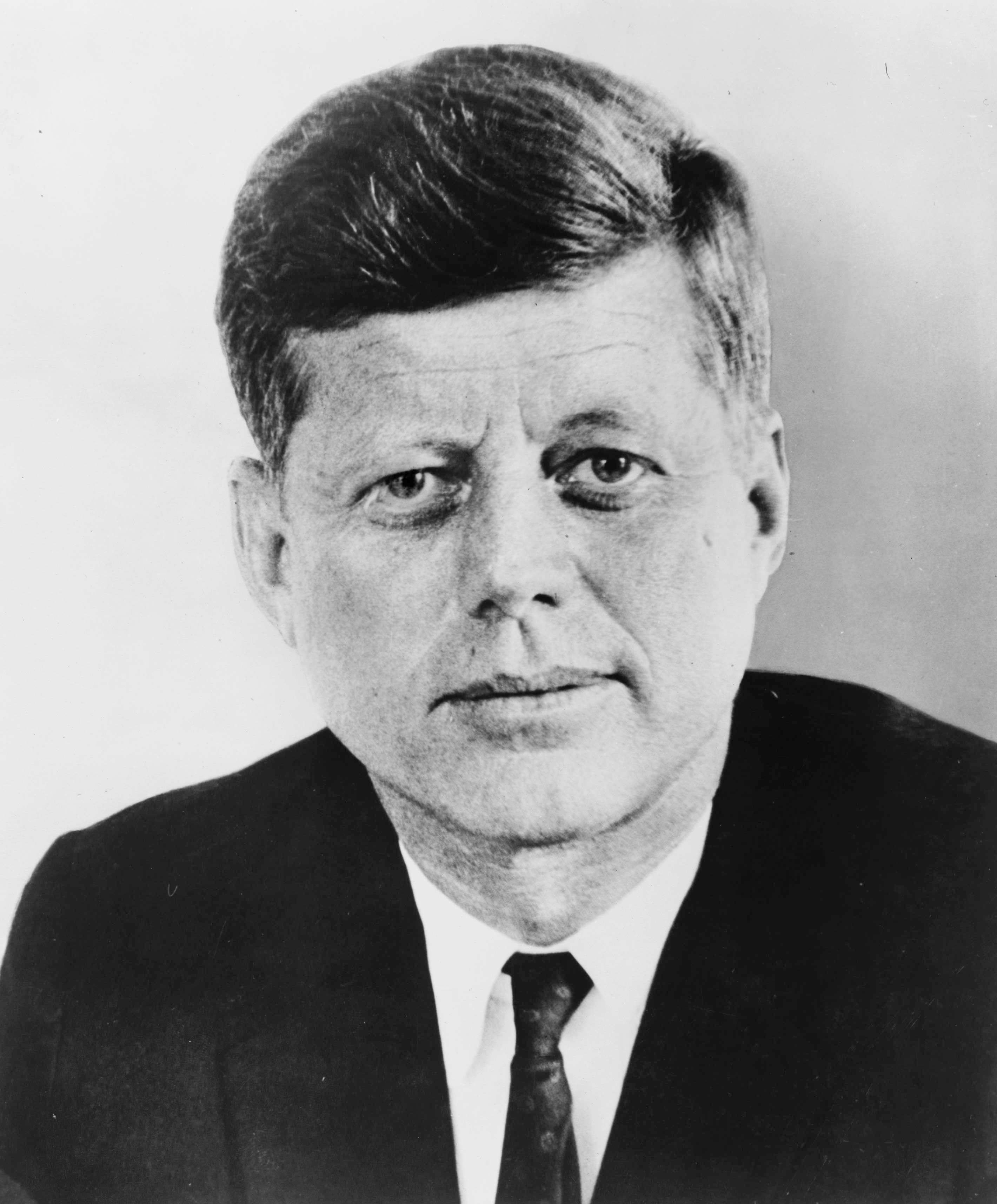
“If people lose faith in their government, the result is the same whether or not the loss of confidence is justified.” J F Kennedy.

In 1997, the Labour landslide was, for many, a source of great optimism for the future. As the Millenium approached, and the legacy of the 70s and 80s started to fade away, “Things can only get better” was a genuinely-held belief. The comedian Frank Skinner wrote in his autobiography how, the day after the ‘97 election, he was able to think with sincerity that a new day was dawning for the UK before, as he put it, “a couple of weeks and it was back to the same old bollocks”.
The appeal of non-traditional politicians
“The same old bollocks” probably sums up the viewpoint of the electorate at this moment in time. Figures such as Farage, currently the most popular politician in the UK, and of course, Donald Trump, are popular solely because they position themselves as not belonging to the mainstream. In Europe, leaders such as Macron and Zelenskyy came into power by virtue of not being associated with the traditional political elites.
Here in the UK – with the exception of Farage – no such “fresh blood” exists in the choices available to the electorate; and this, I would suggest, is behind the dearth of visible support for candidates of any hue I saw on this morning’s journey.
If the polls are to be believed, Labour will come to power next month with a potential 300 seat majority, eclipsing the ‘97 result which saw Blair’s government in power with a 179 seat advantage. Sir Keir may have succeeded – for now – in uniting his own party, but one wonders whether there’s room for leeway and dissent that such an electoral landslide will bring, will ultimately be to his benefit. “Nature abhors a vacuum”, and there is space for a more charismatic leader, such as Andy Burnham or Angela Rayner, to enter the spotlight and gain popular support.
Overall, this election is notable for a lack of interest or engagement, and this lack of engagement and belief in politicians has the potential to threaten the entire process of democratic government. At this point, let us remind ourselves of the words of Churchill:
“Many forms of Government have been tried and will be tried in this world of sin and woe. No one pretends that democracy is perfect or all-wise. Indeed, it has been said that democracy is the worst form of Government except for all those other forms that have been tried from time to time.…”
Hope for the future: the role of electoral reform
In this world of sin and woe, as he said, let’s hope that whatever the next few years bring us, by the time of the next election, there are more signs that the electorate are engaged in the democratic process, which is, whatever one thinks of those in charge, the least-worst of all the options available to us. The rise of the far-Right in the recent EU elections; the possible re-election of Trump; an escalation in the war in Ukraine; or even a Labour Government, urged on by its back-benchers, considering introducing PR – any or all of these factors could re-vitalise our ailing democracy. We can but hope.