This time last year, East Anglia Bylines gave me the space to explain why I, a dedicated birdwatcher, will not be among those taking part in the Big Garden Birdwatch.
I won’t be doing so in 2026 either. Not out of pique because my garden remains as devoid of birdlife as it has for the past decade. Not because I question the value of citizen science, nor because I don’t understand that a negative response is as valid as a positive one.
Data on our diminished flora and fauna are vital. Without them, we lack the hard proof needed to convince politicians and other decision-makers that it is possible to achieve economic and social ambitions without further trashing our already impoverished natural environment.
After a decade and more of stagnation under previous governments, the arrival of a government of a different colour in July 2024 seemed a breath of fresh air. In its manifesto, Labour promised “to restore and protect our natural world” and “to unlock the building of homes … without weakening environmental protections”.
Change in tone

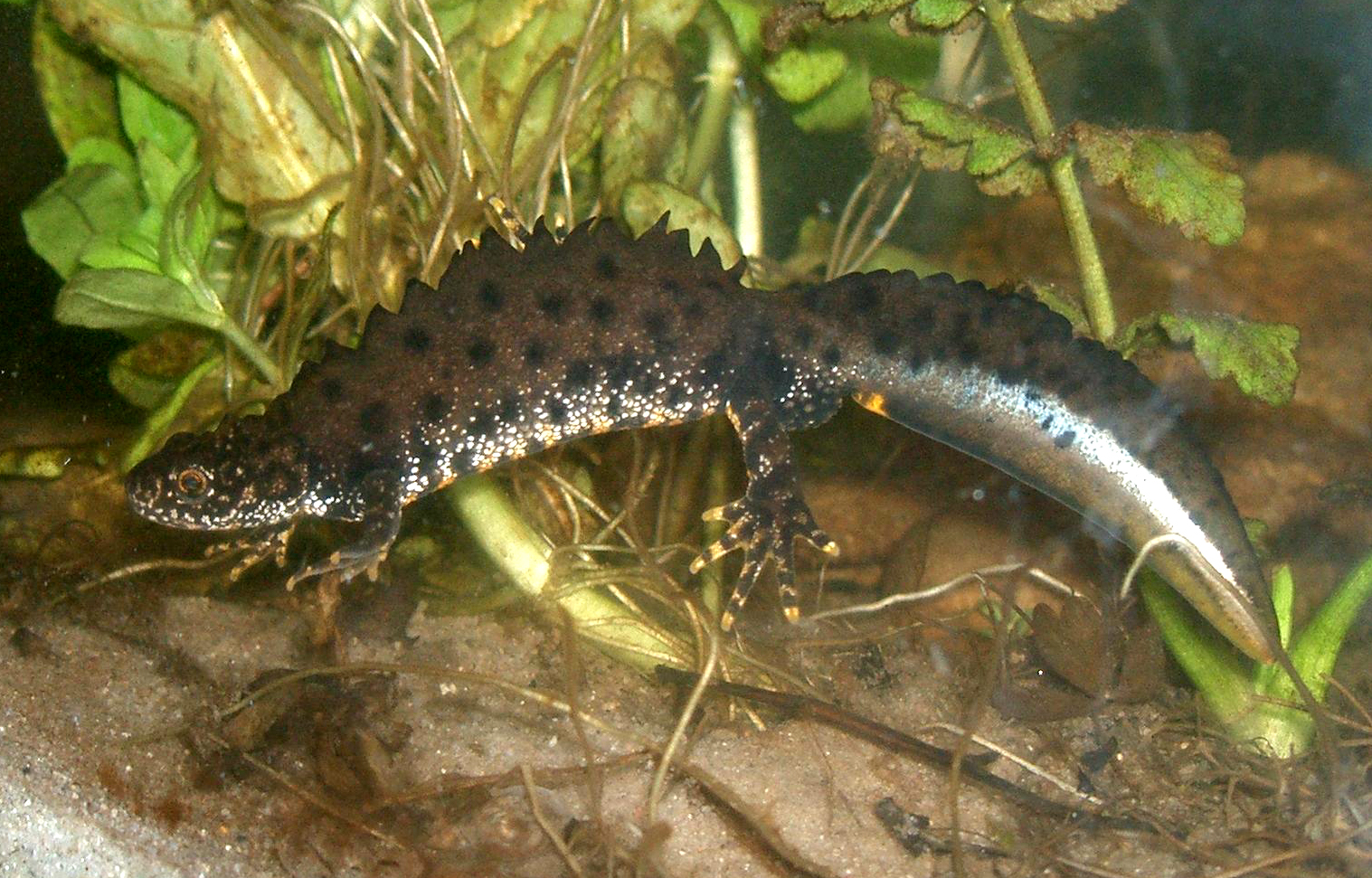
Sadly, for me and many other Labour supporters, the tone of the language soon changed. The list of species that had allegedly swollen the cost of major infrastructure projects and prevented or slowed the building of badly needed new homes grew longer: the notorious bat colony tunnel that saddled the environmentally disastrous HS2 project with an “unnecessary” £300m additional cost; the proverbial great crested newts that plagued developers anxious to meet an unfulfilled need (and incidentally swell their profits); the whirlpool ramshorn snails that allegedly held up a Sussex housing development; the distinguished jumping spider similarly allegedly blocking a development in Kent.
When the spider and snail cases were investigated, the claims by Sir Keir Starmer and Chancellor of the Exchequer Rachel Reeves did not quite stack up.
But it was the attack on environmentalists who had supported Labour that really rankled. Perhaps we should have expected the rhetoric after Starmer’s reported (and denied) rant against “tree huggers” while in opposition. But it still came as an unwelcome shock when Starmer delivered an attack on “nimbys and zealots” who had opposed a Norfolk road scheme because of the impact on a colony of Barbastelle bats, and, more recently, described the Green Party as “nuts”.

Strident rhetoric
It was the strident rhetoric, combined with the go-ahead for the Heathrow third runway, that finally prompted my resignation from the Labour Party.
In its race for faster economic growth, more and faster house-building, and eye-catching infrastructure projects such as the Heathrow expansion and Sizewell C, the commitment to the environment and specifically natural diversity evaporated.
While the June 2025 spending review included a strong focus on clean energy, funding for nature and other environmental measures was much more limited, with the Department for Environment, Food and Rural Affairs’ spending reducing by 1.8% in real terms.
Nature’s decline
Earlier this month, the Office for Environmental Protection warned that the biodiversity target, which means stopping the decline of species such as the hedgehog and red squirrel, will almost certainly not be met in England. The report says: “Important species continue to decline. The opportunity to effect further change ahead of the 2030 target has now largely passed.”
The 2023 State of Nature report declared Great Britain “one of the most nature-depleted countries on Earth”, with nearly one in six species threatened with extinction.
The government launched the Nuclear Regulatory Review in February 2025, under the leadership of John Fingleton, to assess the regulations surrounding civil and defence nuclear activities. The resulting Fingleton Review called for environmental protections to be weakened. As 2025 drew to a close, the county Wildlife Trusts warned that this would exacerbate the present catastrophe even further.
The Trusts say Chancellor Rachel Reeves has asked the Secretary of State for Energy Security and Net Zero, Ed Miliband, to prepare a plan to take forward the recommendations. They are campaigning against it.
“If this plan includes those recommendations, it could be devastating for the places that nature’s recovery relies on. It’s a short-sighted and flawed idea which prioritises cost-cutting for a few developers while risking turning the nature crisis into an environmental catastrophe. Everyone, and everything, will suffer.”
It already is. The decline in farmland and woodland bird species, the disappearance of pollinators and other insects, the path to extinction of hedgehogs … The list is endless.
So, against this background, recording the declining numbers of once common birds in the nation’s back gardens seems redundant. In the face of the accelerating collapse of nature, the question for all of us who have dedicated our lives to the study of the natural world is whether that struggle is now winnable.
More from East Anglia Bylines


Friends of Bylines Network
There has never been a greater need for grassroots journalism that investigates the stories that really matter, holds power to account and champions the voices of everyday citizens. We are proudly powered by volunteers but what we do isn’t free.
STAND WITH US for independent, citizen-led journalism that makes democracy stronger, and you will even get some exclusive benefits.