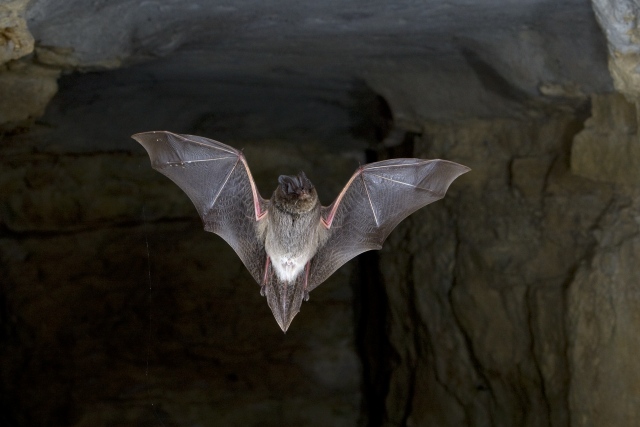
Transition Woodbridge has been organising bat surveys across the town in partnership with the University of Suffolk. This year, they are thrilled to have found evidence of a rare bat.
The organisation is part of a global grassroots movement deeply committed to environmental conservation. Their aim is to promote biodiversity and community engagement among residents in the East Suffolk town of Woodbridge and neighbouring Melton. One of their many projects over the last two summers has been to organise bat surveys in the area.
Bat surveys and biodiversity

Transition Woodbridge has worked on this in collaboration with Dr Mark Bowler, Senior Lecturer and Course Leader in Wildlife, Ecology and Conservation Science at the University of Suffolk. In 2022 they orchestrated a comprehensive bat survey, running from June to September, engaging over 80 households in the Woodbridge area. Due to its success, it is being repeated this year. Part way through the survey, they have discovered a rare Barbastelle bat in a resident’s garden. These are so rare – and on the red list of endangered species – there are only around 5000 across England and Wales.
This year’s survey is a collective effort, with 20 households each month hosting a post equipped with a bat recorder strategically placed within their gardens or pots for a two-week period. Volunteers diligently collect the recorders at the end of each fortnight and subsequently pass them on to Dr Bowler for analysis.
Bats have had bad press
Bats are intriguing creatures that capture our fascination. Dr Bowler recently admitted to the BBC that wasn’t always the case with him. “I remember as a kid people thinking bats were not a nice thing, associated them with Halloween.” Now he’s concerned about their future. “The bigger picture is all bats are in decline, losing roosting sites and losing habitat. We’re seeing bats and insects increasingly reliant on suburban environments and we’re finding more in this type of area.”

He emphasises the positive shift in public perception regarding bats and highlights the excitement people derive from discovering which species inhabit their gardens. Some residents have even taken steps to make their surroundings more bat and insect-friendly – a testament to the project’s enduring impact. As part of this ongoing initiative, Dr Bowler launched the second survey in June by giving a presentation on last year’s bat feedback to Transition Woodbridge supporters.
Bats serve as valuable indicators of our environment’s overall health. Their diet primarily consists of insects, and they seek refuge in hedges and aging structures. Consequently, the presence of bats can offer essential insights into the well-being of other insect populations and the availability of suitable habitats.
Repeating the bat survey this year will furnish Dr Bowler with valuable comparison data. It’s expanded significantly, with 190 poles erected not only in private gardens but also in care homes and the renowned National Trust site, Sutton Hoo. This will contribute to a more comprehensive understanding of the bat populations and their habitats in and around Woodbridge.
Student input
Dr Bowler’s students have been tasked with analysing the data from each recorder, working out the types of bats present and their numbers within each location. Because these recorders exclusively capture bat activity, it makes them perfect for studying these nocturnal mammals.
Bats are an ‘indicator species’, meaning their presence in an area can provide valuable insights into the local environment’s health. The bat population reflects the richness of insect life and the overall habitat quality. By conducting these surveys, Transition Woodbridge not only helps protect these nocturnal mammals, but also gains critical data about the local ecosystem.
Looking ahead, Dr. Bowler envisions expanding the bat project to involve more schools, fostering an even deeper connection between the community, its youth, and the wildlife that surrounds them. Transition Woodbridge’s bat initiative is a great example of combining conservation and community. It serves as a reminder that when we come together to safeguard our environment, we not only protect the biodiversity of our local places but also nurture a deeper sense of shared responsibility and connection among us all.
A shared endeavour: the power of citizen science
What sets this project apart is its collaborative spirit – the embodiment of citizen science at its finest. People of all ages from Woodbridge and Melton have enthusiastically embraced this venture, fostering a sense of community and shared responsibility for our environment.
Jane Healey, a volunteer from Transition Woodbridge, noted the project’s ability to bring people together, especially in the wake of the Covid pandemic. “It’s nice for people to feel they are contributing to the national or international picture,” she told the BBC, “even though it seems like ‘just my garden’.”
Transition Woodbridge is part of the Transition Network which began in Totnes in 2006 and is now global. Their dedication to biodiversity, community engagement, and sustainable living is helping make local communities more vibrant and ecologically resilient, and inspiring others to take similar initiatives in their own neighbourhoods.
If you want to learn more about Transition Woodbridge and their inspiring projects, visit their website. It includes a programme of up-coming events, information about their various initiatives, links to resources, as well as opportunities to get involved. Their updated Local Food leaflet is available to view and download.
Based on a press release by Transition Woodbridge.