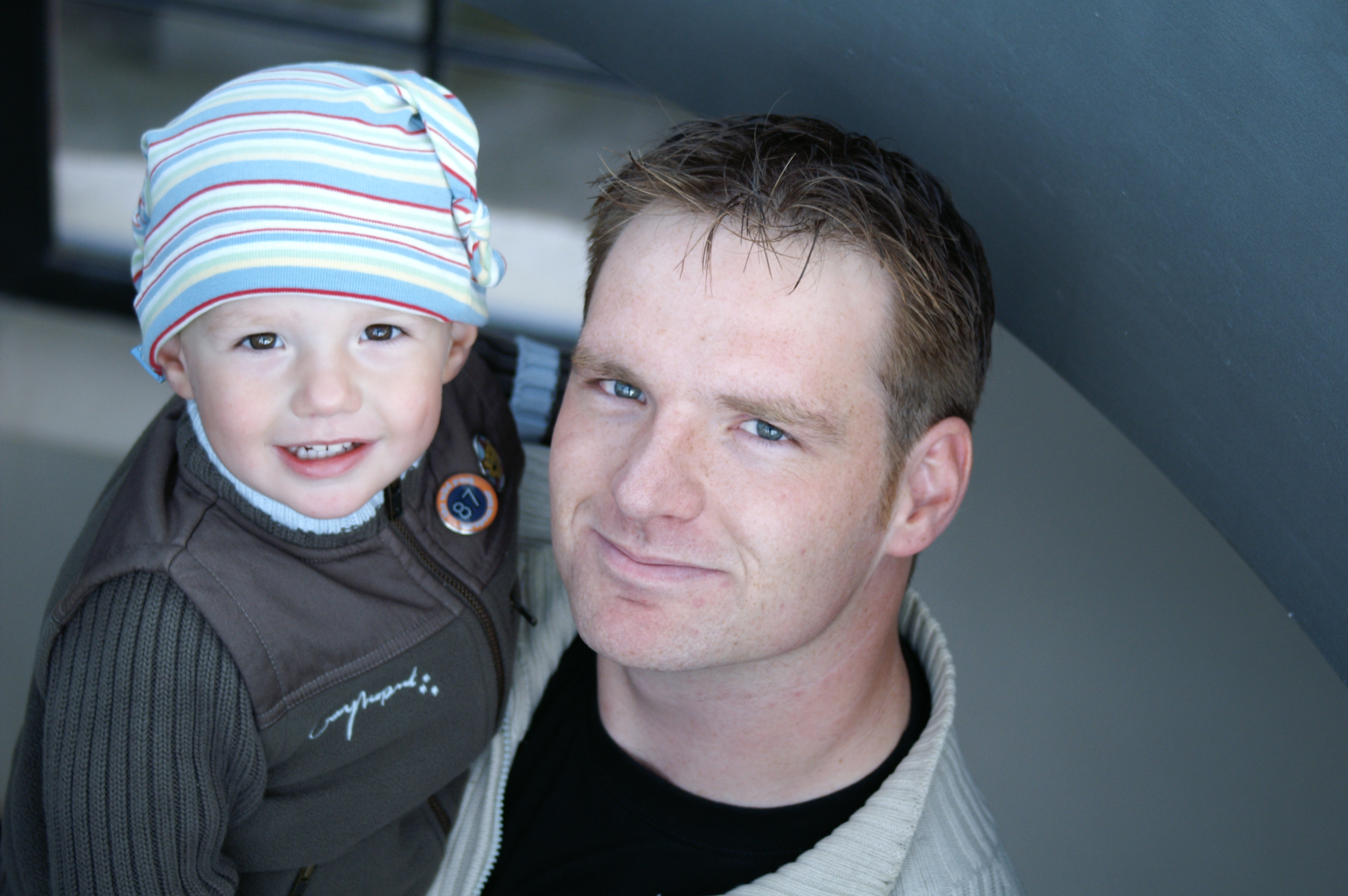
Fatherhood. Where do we learn it? From our own fathers? What if we want to do it differently? And what about those who never even knew theirs?
A recent theatrical experience gave me a chance to reflect. As was typical for their generation, my parents arranged family life in a very classical, gendered way – dad went to work; mum raised us kids. Like so many of my own millennial generation, I didn’t grow up knowing what a truly shared approach to parenting looks and feels like on the inside; instead I have had to figure it out as I go.
What is an emotionally present father actually like? And how is it different from a mother, if indeed it is different? With few role models to look to, it becomes more important for us dads to support each other in order to figure out how to become the fathers we want to be. And that’s what the writing and theatre workshops in Norwich Theatre’s recent Fatherhood series offered me, as I, like many men, grapple with the father role.
The Life of Dads
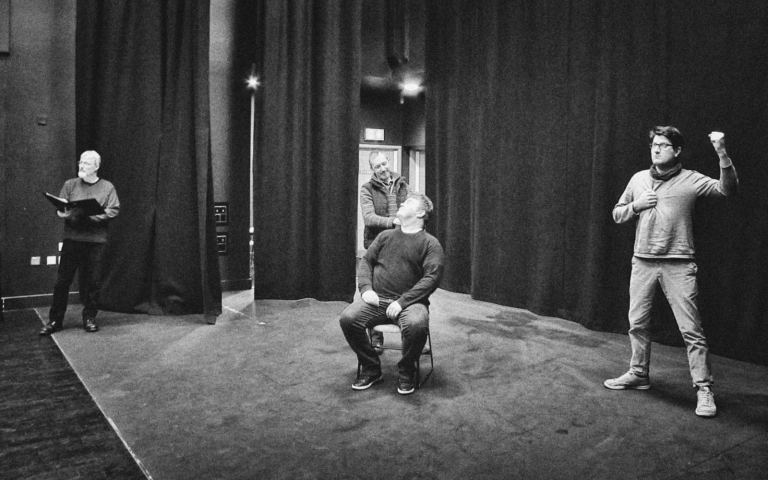
A strip of masking tape on the floor divides the hall into a discussion area and an acting area. In the acting area, two dads role-play a conversation from the life of one of them from over twenty years ago. Here I’m one of the actors, but the conversation is from my counterpart’s life.

This workshop, called The Life of Dads, was run by Man Alive, a new theatre company producing material on the themes of masculinity and fatherhood. Co-founders, Andy Wood and Thom Bailey, having created an environment of trust, facilitated a workshop that involved telling our stories right from the moment we found out we were going to be fathers: how had we changed since then? Why did we make the choices we made?
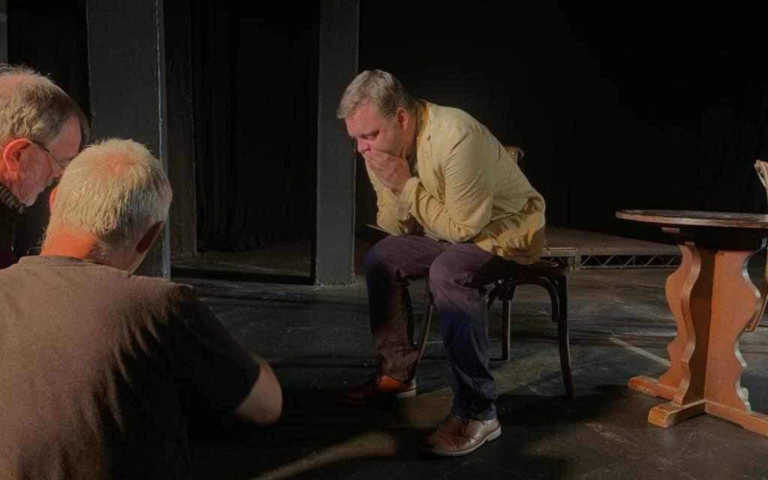
It was intimate stuff. The experience of watching what are essentially strangers play through a heated conversation I had with my wife two years ago rekindled the emotions of that moment surprisingly effectively. Sure, you’ve gone through the conversation a hundred times in your head since it happened. But this is something else.
And that’s the point. It’s real because it’s from your life – yet, at the same time, it’s theatre. It is this dramatic tension, as well as the skill of the coaches, that allows you to explore your emotions in such a deep way, both during the workshop and in the hours and days of reflection that follow.
Writing through fatherhood
In the intimate writing workshop led by the poet and novelist Ashley Hickson-Lovence, several other fathers and I explored how to express ourselves through the written word.

This might seem intimidating to some, but Hickson-Lovence, whose upcoming novel to be published in April 2026, deals with the topic of fatherhood, made it clear that he was less interested in fancy rhyming schemes and more interested in honesty and openness. After reading poems that explored themes of fatherhood, motherhood and family, we were invited to use techniques from the poems to write our own.
First surprise: I found it easier to write about my father’s parenting than my own. I suppose I’ve had longer to reflect on it, but perhaps I am just scared of turning my gaze inwards. With children aged four and seven, my wife and I are still in a very intense phase of parenting, so there might also be a lack of distance.
After all, where’s the aesthetic beauty in writing about meltdowns? Or getting out of the house on time? Or negotiating which sweeties the kids can have for ‘dinner dessert’? That feels more like material for stand-up comedy.
Second surprise: I found myself wanting to write about being a husband more than being a father. Or, more precisely, a husband with children. The relationship with your partner is an aspect of fatherhood that is often neglected; it’s natural to put the children first. But parenthood exposes a relationship to powerful new dynamics, and finding the time and emotional space to nurture that relationship on top of being there for the children, is not easy.
There is also the challenge of not losing yourself. Another participant, Ed, an expectant father, wanted to use the writing session to help prepare for what he knows will be a mammoth change in his life.
Ed is the youngest of six, and already has 16 nephews and nieces, and as such, has been surrounded by children all his life. Nevertheless, he’s apprehensive about what kind of father he will be. He sees writing as a way of holding onto his identity and exploring it as it changes. He says, “Through writing I have more of a sense of self that I can pass on.”
I’m not sure I will carry on writing in order to explore fatherhood. It helped Ed, but there was something about it that didn’t quite click for me.
Listening and learning

For me, the theatre workshop worked better. Perhaps it was the fact that we were doing something that had to be done together, rather than coming together to perform essentially a solitary activity – namely, writing. But it was also because it wasn’t only about me. The intimacy of listening to another father’s story, and then, the privilege of being able to be part of a dramatic exercise based on his life, was deeply moving and thought-provoking.
Despite my frustrations with the writing workshop, I still enjoyed the opportunity to meet and get to know some other fathers in this setting. Instead of some profound personal introspection through art, it has been the stories of other dads that have helped me validate my own story. They have quietened my worries about whether I am doing enough, or getting enough things right, and they’ve freed me a bit more from my own upbringing.
Looking back
I now believe my father’s attitude to parenting was ahead of its time, but society and structures prevented him from embracing it. In fact, it is the values he taught me that have given me the courage to move away from his parenting style.
I don’t relish returning to business as usual, where most of us tell even our closest friends everything’s “fine”. Why don’t we take fatherhood more seriously? Why don’t more of us take the opportunity to explore this part of our lives and reflect on why we are the dads we are?
I’m grateful that Norwich Theatre was ambitious enough to broach this topic, and hope that more opportunities arise for fathers to explore themselves in this way. Many fathers – and mothers and children – would benefit from it.
More from East Anglia Bylines