
At the end of last year, the Department for Culture, Media and Sport (DCMS) announced that the UK was starting a consultation about signing the 2003 Unesco convention on the safeguarding of intangible cultural heritage.
This would bring the UK in line with the 182 other Unesco member states who have already signed the convention. It has been suggested that this is a way to greater international cooperation on the importance of the UK’s intangible heritage and to find ways to monitor and protect cultural practices.
Traditionally, especially in many western cultures, heritage tends to be considered as something tangible – physical things such as artefacts, objects and historic buildings. The Venice charter of 1964 broadened this field from mainly physical heritage to include other kinds of heritage, such as whole environments and sites of interest.
However, Unesco felt that cultural heritage did not go far enough and should also include other aspects. This could be traditions inherited from previous generations that remain relevant and important to communities. This is intangible cultural heritage and it can be found all over the world.
The Unesco convention defines intangible cultural heritage as: “Practices, representations, expressions, knowledge, skills – as well as the instruments, objects, artefacts and cultural spaces associated therewith – that communities, groups and, in some cases, individuals recognise as part of their cultural heritage.” Intangible cultural heritage is typically made up of five different domains:
- oral traditions and expressions, including language as a vehicle of the intangible cultural heritage
- performing arts
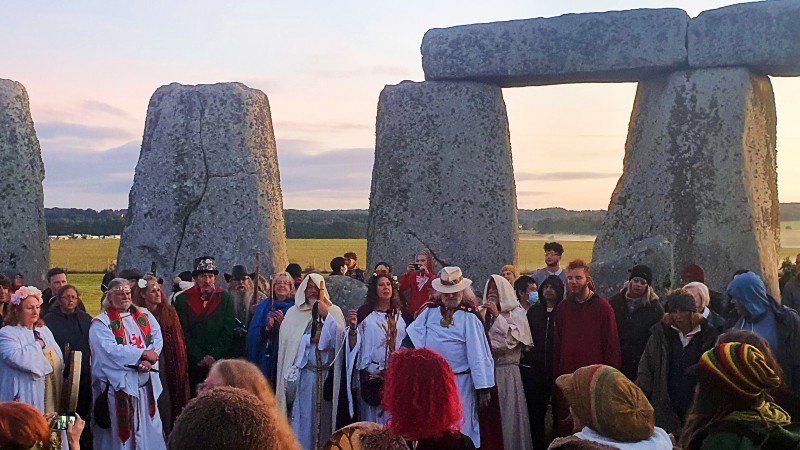
- social practices, rituals and festive events
- knowledge and practices concerning nature and the universe
- traditional craftsmanship.
It is crucial that these forms of heritage are still practised by different community groups, constantly evolving and reflecting the identity of diverse communities worldwide. In the UK this could include different festivals, folklore or traditional tales, Morris dancing – still popular in East Anglia – and certain skills and crafts.
The purpose of the protection
The Unesco convention seeks to safeguard intangible cultural heritage across the globe. It also aims to ensure respect for the communities involved in this heritage and raise awareness at local, national and international levels of the importance of the heritage. The convention also seeks to ensure appreciation of different practices to allow for international cooperation and assistance.
The general conference of Unesco ratified the convention in 2003 and saw this adoption as a “milestone in the evolution of international policies for promoting cultural diversity, since for the first time the international community had recognised the need to support the kind of cultural manifestations and expressions that until then had not benefited from such a large legal and programmatic framework.”
This agreement to “safeguard” meant implementing measures to identify, document, research, preserve and protect intangible cultural heritage. It also covers revitalisation of traditions and cultures where needed. But Critics of the convention believe that such global approaches cannot safeguard local traditions which vary across the world in totally different cultural settings.
Most Unesco member states signed the convention, which included drawing up inventories of intangible cultural heritage which need to be regularly updated. The UK was one of only a handful of countries which did not sign, meaning there was no framework in place for recognising intangible cultural heritage around the country.
Reasons why this was the case ranged from the UK appearing to value tangible heritage more, to the fact that it could increase bureaucracy, while some believed that there was no real intangible cultural heritage in the UK.
After 20 years of the convention, it seems that the UK is now going to join – but what implications will this have for intangible cultural heritage around the country?
Next steps
The DCMS is currently carrying out surveys to engage individuals and community groups in the first stage of implementation, which is to define and identify intangible cultural heritage practices around the UK.
At the same time there are round-table discussions taking place with anyone interested in what this means for the UK invited to take part.
The question is: what implications this will have for intangible cultural heritage in the UK and the four different countries involved? Scotland has been working on this already for a number of years and has created an inventory of the country’s living culture. In Wales, there has also been some research into its cultural heritage.
The DCMS has already stated that it is not interested in merely listing examples of intangible cultural heritage. But questions remain.
What will this mean for these traditions and practices? How do we decide what intangible cultural heritage entails and what will signing up mean for the groups and the heritages involved? Who will develop the policies? What happens when a particular tradition is recognised (or not) in terms of protection and funding? And how can it be promoted to ensure that all communities can be involved, including those who may be unaware of the convention or the current consultation?
It would also be useful to examine and learn from the experiences of other countries to avoid any obvious pitfalls.

This article is republished from The Conversation under a Creative Commons license. Read the original article.