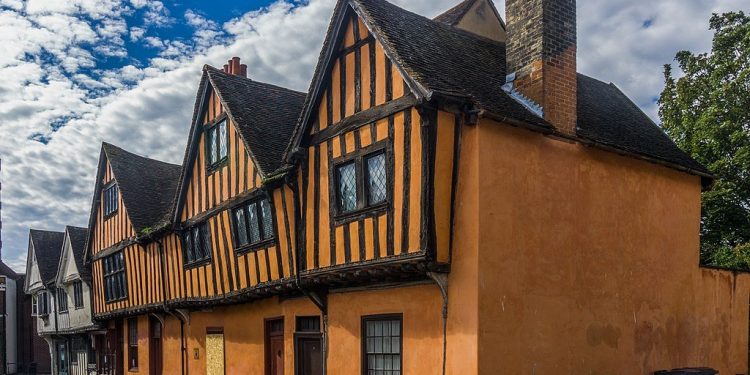
Ipswich may be officially classed as a town, but that’s no barrier to its latest ambition: bidding for UK City of Culture 2029. Under the rules, any urban area with a population of over 75,000 is eligible, opening the door for places like Ipswich to compete with larger cities.
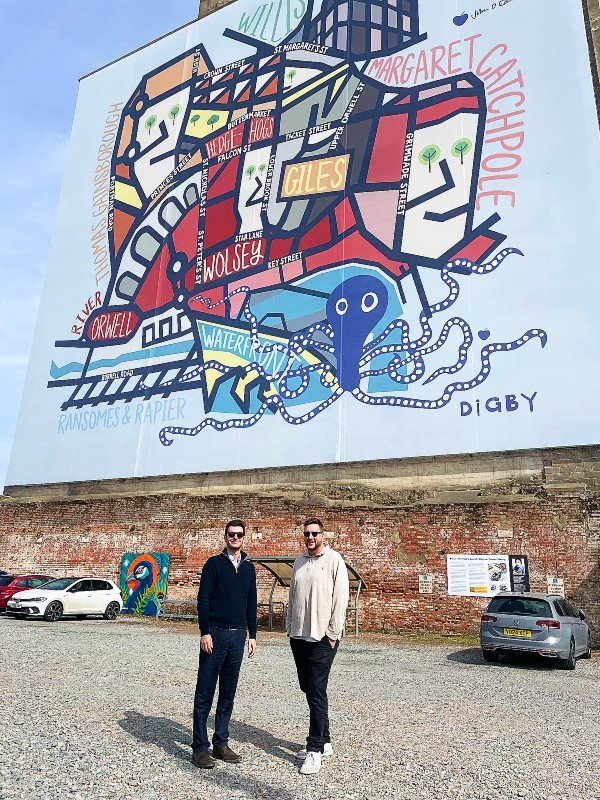
The town’s MP, Jack Abbott, has “fired the starting gun” on a potential bid, following the government’s announcement that applications are now open. The winning place will receive £10 million to deliver a year of cultural events and activities, with longlisted entries awarded £60,000 to develop their proposals.
Abbott, who has been laying the groundwork since taking office, described the competition as “a once-in-a-generation opportunity to show the country what Ipswich is made of,” promising that a bid would “attract more visitors, investment and new jobs, while supporting and celebrating the local artists, venues and organisations that make our town special.”
Pride and potential – but also challenges
Ipswich’s ambition is not new. The town has long tried to balance regeneration with identity – and the results have not always been smooth. The Waterfront’s renaissance has transformed the face of the town, but retail decline and inconsistent investment have left the high street struggling. Cultural institutions, from the Wolsey Theatre to SPILL Festival, have kept the creative flame alive through lean years, but sustaining funding and attention has not always been easy.
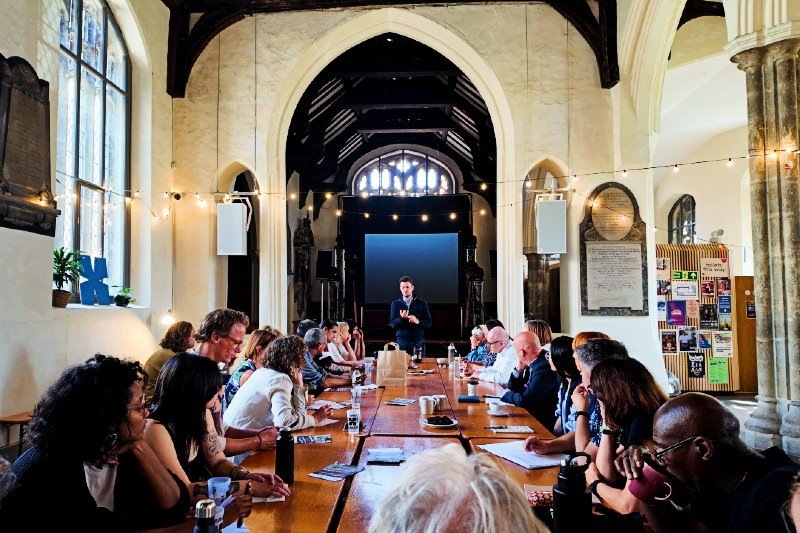
Abbott seems determined to face those contradictions head-on. Over the summer, he convened meetings at St Stephen’s Church with artists, festival organisers and designers to explore what a City of Culture bid could mean for Ipswich. More sessions are planned in the coming weeks, aiming to forge a shared vision that reflects the town’s “energy, identity and ambition.”
The MP argues that a successful bid could be a turning point – not only for the arts, but for the local economy. “Bradford’s winning campaign is expected to create 6,500 jobs and generate £700 million of economic benefit by 2030,” Abbott noted earlier this year. “Investment of that scale would be transformational for our entire town.”
A creative town ready to be noticed
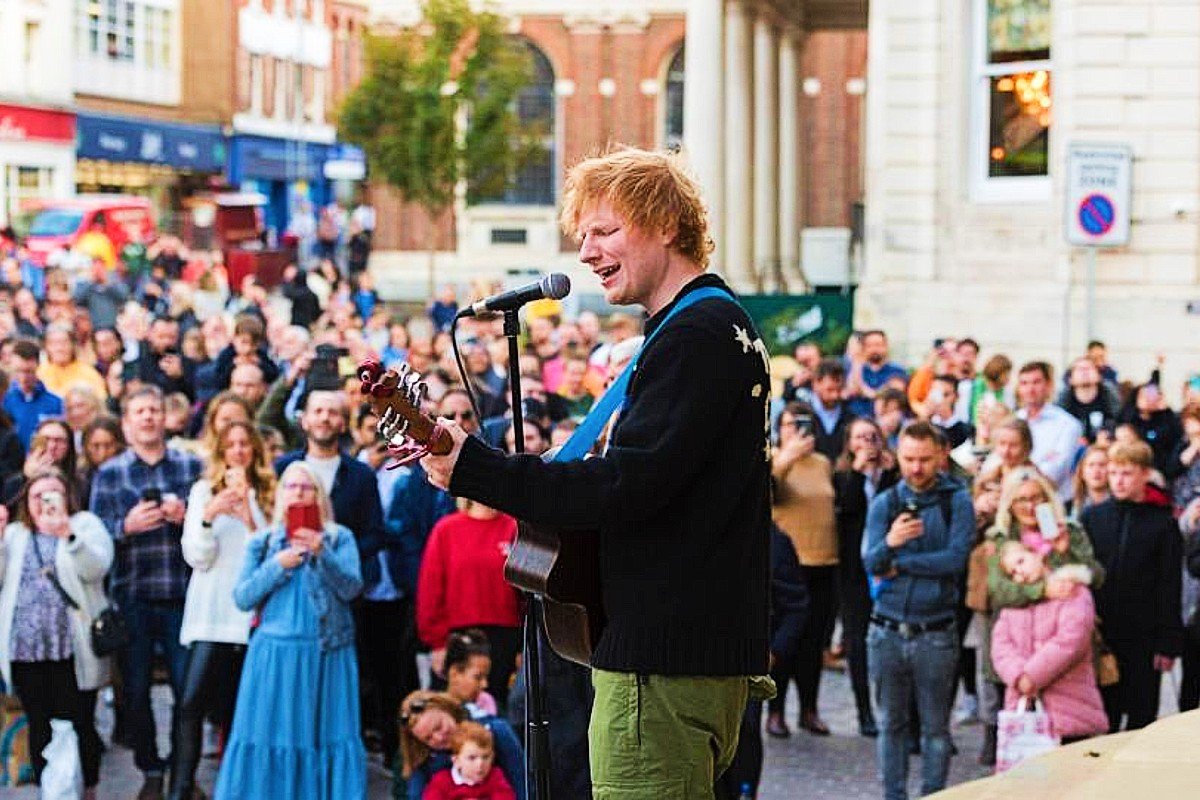
Ipswich’s cultural credentials are stronger than many realise. The town boasts DanceEast, a national centre of excellence in dance education, Brighten the Corners, a vibrant local music festival, and a network of acclaimed theatres and arts organisations, including the New Wolsey, Eastern Angles, Gecko and Red Rose Chain.
Culture Secretary Lisa Nandy, visiting the town last year, described Ipswich’s music scene as “a model for others across the UK,” praising its “entire ecosystem” that nurtures creative talent from school to professional stage.
These successes may not yet have translated into the kind of national recognition other former City of Culture winners enjoy, but Ipswich’s growing confidence is unmistakable. Abbott’s ambition is to translate that creative energy not just into civic pride, but also tangible investment.
The Portal: Ipswich connects to the world
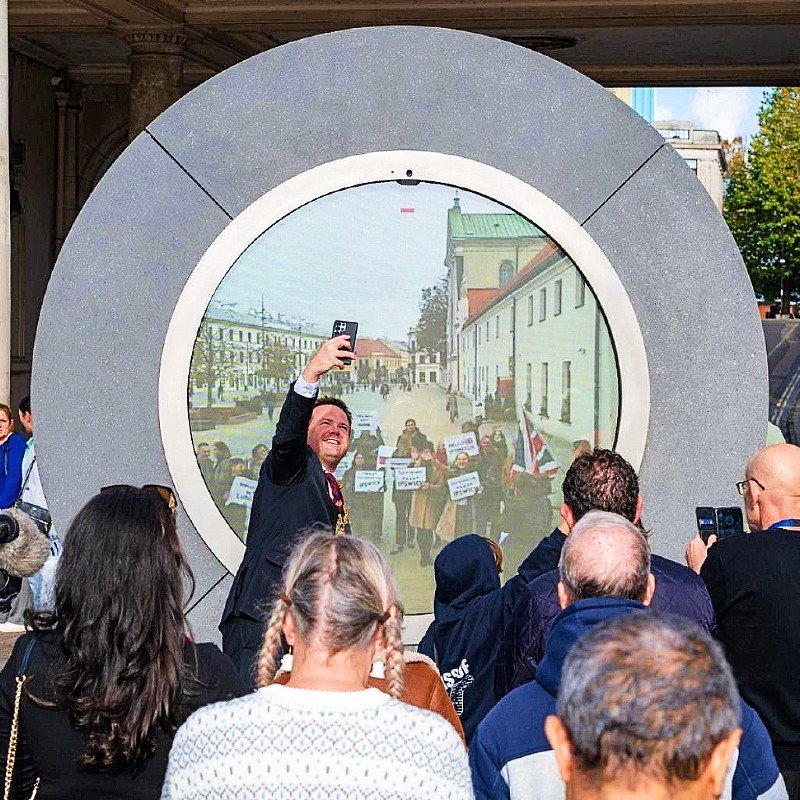
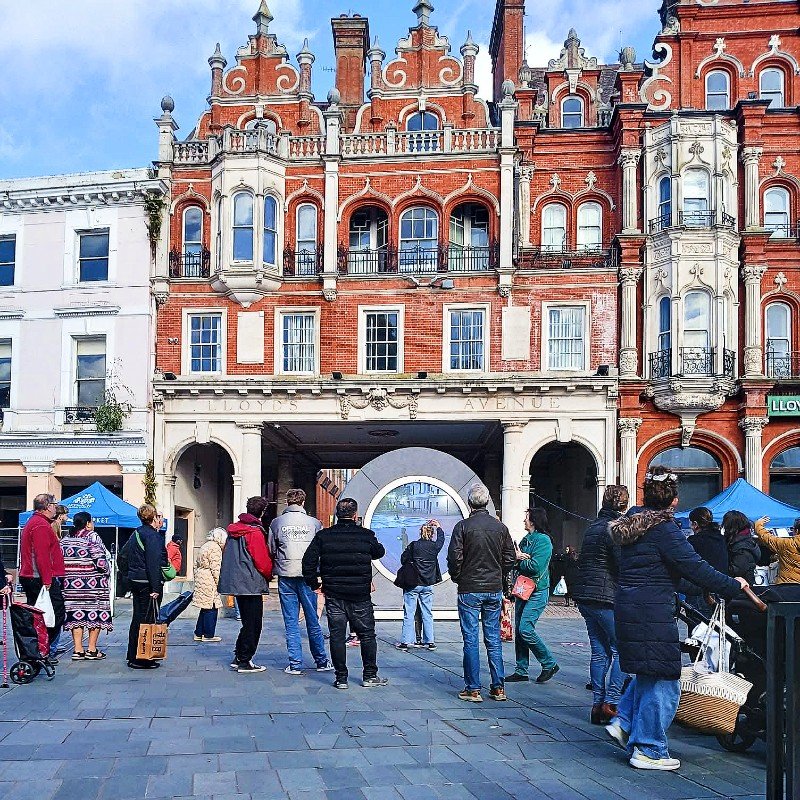
If Ipswich needed a symbol of its new self-confidence, it found one this month with the unveiling of the UK’s first-ever ‘Portal’ located on the Cornhill. It’s a live, interactive sculpture connecting Ipswich in real time to cities including Dublin, Philadelphia, Vilnius (Lithuania) and Lublin (Poland).
Designed by Lithuanian artist Benediktas Gylys, the Portal acts as a digital window between distant countries and cultures. Residents can stand before it and see – and be seen by – people half a world away, and it has been attracting crowds since it opened last week.
“I’m delighted that we’re the first place in the UK to welcome this innovative sculpture,” says Cllr Neil MacDonald, Leader of Ipswich Borough Council. “The Portal brings people together from other countries as a window into our vibrant town centre.”
Part of the Digital Ipswich project and paid for through the government’s Towns Deal, the Portal aims to boost footfall, support local businesses and “showcase our town’s ambition and creativity to a global audience.”
Gylys described Ipswich’s addition to the international network as “something truly special,” adding: “Only together can we build the bridge to a united planet that Portals aim to embody.”
For Ipswich, it’s more than just public art, it’s a statement of intent. A town once seen as provincial is now literally plugged into the world.
Learning from the past, looking to the future
Abbott is realistic about the scale of the challenge to gain the City of Culture title. Previous winners such as Hull, Coventry and Derry/Londonderry all used their City of Culture years to reinvent themselves, but those successes came with years of planning, political will and, crucially, money.
Ipswich has the creative energy but will need coordination and consensus to match it. The MP frames the bid as part of a wider renewal effort: “It’s about boosting opportunities, ambition and pride.”
Culture Secretary Lisa Nandy shares that view, saying the competition aims to “shine a light on the places that have shaped our cultural life, but haven’t always had the recognition they deserve.”
Even if Ipswich doesn’t win, the process itself could bring benefits. Longlisted places also receive funding and support, and past entrants have reported new partnerships and investment that lasted beyond the competition.
‘Join me and help build a new future’

Ipswich’s story has often been one of near-misses – from ambitious regeneration plans to stop-start infrastructure projects. But in recent years, there’s been a quiet sense of momentum: a Premier League football club – for a season – a thriving arts community, and now an MP who believes culture can be a driver of renewal.
“This competition gives us the chance to show that to the whole country,” Abbott says. “I’m proud of Ipswich, and that’s why I am firing the starting gun on our City of Culture bid. Join me and help build a new future for our town.”
Abbott knows what local collaboration can achieve. Before entering Parliament, he helped found East Anglia Bylines, working to give our region a stronger voice. That same belief in grassroots creativity and shared purpose now shapes his vision for Ipswich’s future.
If the City of Culture bid succeeds, it could redefine how the country sees the town. But even the act of coming together to tell Ipswich’s story – honestly, proudly, and with imagination – may prove transformative in itself.
More from East Anglia Bylines